When LEGO Became Cheaper Than Therapy
I bought the LEGO Millennium Falcon after wrapping Maid on Netflix. Ten episodes as a set dresser means ten episodes of watching Assistant Directors yell at grips for putting C-stands in the wrong corner. By the end of the shoot, I was googling “quiet hobbies that don’t involve people.”
A PA mentioned LEGO. I thought he was joking.
Three nights later, I’d built for six hours straight and hadn’t thought about work once. No craft services small talk. No permit problems. Just the snap of bricks locking into place while my brain finally shut off. That first session was on the Falcon. The full build took 38 hours over six weeks.
That’s when I realized adults don’t build LEGO for their kids—we build it because meditation apps don’t work and hobbies requiring talent feel like a second job.
I’ve now built 70+ sets over the past two years. Spent more money on acrylic stands, LED strips, and dusting brushes than I want to admit. Moved three times with a collection that weighs more than my camera package.
This guide is what I wish someone had handed me before I bought that first Falcon. It’s not a list of the biggest or newest sets. It’s a decision-making framework for people with real budgets, real shelf space, and real jobs that don’t leave 40-hour weekends for building.
Affiliate Disclosure: This article contains affiliate links. If you buy through them, PeekAtThis gets a small commission at no extra cost to you. I only recommend sets I’ve actually built and brands I’ve actually used.
The best LEGO sets for adults in 2026 balance build complexity, shelf dimensions, and cost-per-hour value. After building 70+ sets, the winners deliver screen-free focus without overwhelming your living space. Plan for $10–$20 per build hour, start with 1,000–2,000 piece sets, and measure display depth before buying anything larger.
The Production Reality: On a film set, you learn fast that expensive gear doesn’t matter if you haven’t planned where to put it, how to power it, and who’s carrying it. LEGO is the same. The set is the cheap part. The infrastructure is where the budget dies.
The Question Nobody Asks: Where Will You Put It?
The best LEGO set for adults is the one that fits your actual display space, not the one that looks best in marketing photos. Measure your shelf before you buy anything. A $50 set displayed well beats an $800 set shoved in a closet.
LEGO’s website shows the Millennium Falcon on a custom acrylic stand with museum lighting. What they don’t show: it’s 33 inches long, 22 inches wide, and roughly 8 inches tall. It weighs 9 pounds. You need a dedicated coffee table or a wall-mounted bracket rated for 15 pounds.
I learned this after building the AT-AT. Spent 40 hours assembling it. Took me 20 minutes to realize I had nowhere to put a 24-inch-tall walker that couldn’t even fit on my IKEA shelf.
The real problem isn’t the build—it’s the aftermath. Most guides skip the part where you’re standing in your living room at 11 PM, holding a large LEGO set, trying to figure out which piece of furniture you’re willing to sacrifice.
The Common Beginner Mistake: Buying a flagship set before measuring anything. The Falcon, AT-AT, and Titanic all require dedicated floor or wall space. Your bookshelf is not an option. I’ve watched friends buy the Falcon, build it over six weeks, then store it in a closet because it wouldn’t fit anywhere visible.
How I Learned Marketing Photos Lie (The AT-AT Mistake)
I built the AT-AT during a week off between projects. The repetitive leg assembly became hypnotic—same pieces, different angles, watching it slowly gain the ability to stand. Forty hours later, it stood 24 inches tall and weighed 15 pounds.
It didn’t fit anywhere.
My shelf was 6 inches too short. My coffee table was already occupied by a monitor. My only option was the floor, which is fine until you remember you have a cat. I lowered it down, took one step back, and watched the cat already circling.
The fix cost $30 in wall-mount brackets and an afternoon of drilling into studs. That’s when I started keeping a measuring tape next to my LEGO storage.
The 60-Second Display Audit: Measure Before You Buy
Before you buy any set over 2,000 pieces, do this:
Measure your intended display surface. Length and depth. Write the numbers down.
Check the set’s official dimensions. LEGO lists them on every product page. Compare.
Check the weight. Anything over 10 pounds needs a bracket or a stand. Shelves bow. I learned this after my Republic Gunship developed a visible sag.
Check for a power outlet. If you want LED lighting (you do), you need a nearby outlet or a battery pack.
The Budget Reality: A $25 wall bracket is cheaper than replacing a bowed shelf and a damaged set. Budget for the infrastructure before you budget for the brick.
Set Dimensions at a Glance
| Set | Dimensions | Equivalent Object | Display Solution |
|---|---|---|---|
| Millennium Falcon UCS | 33" L × 22" W × 8" H | Two large pizza boxes side by side | Coffee table or wall bracket (15+ lbs) |
| AT-AT | 24" H × 27" L | Medium TV | Corner floor space or heavy-duty shelf |
| Titanic | 53" L × 17.5" H | Coffee table | Dedicated table or long floating shelf |
| Daily Bugle | 10.5" W × 32" H | Tall bookshelf (with clearance above) | Adjustable shelving with upper tier removed |
| Bonsai Tree | 7" W × 8" H | Small table lamp or desktop planter | Any flat surface |
Dimensions based on official LEGO set specs and current product pages. Check before ordering. Always measure your shelf first.
The Missing Insight: LEGO Isn’t a Hobby—It’s Maintenance
Adult LEGO ownership is closer to plant care than model building. Dust collects in the crevices. Sunlight fades and yellows bricks—white and gray pieces yellow faster than you’d expect. Moving apartments means disassembly or risking broken pieces. Display lighting isn’t optional—it’s the difference between “impressive” and “sad desk toy.”
I’ve moved three times with 20+ sets. Lost exactly two pieces using the pillowcase method (slide completed builds into pillowcases before boxing). The friends who just threw sets in moving boxes? They’re still finding pieces in couch cushions.
Here’s the unpopular part: if you don’t have the space, the cleaning routine, or the lighting plan, skip the $500 sets. A $50 Bonsai Tree on a clean shelf looks better than a dusty Millennium Falcon on a cluttered bookcase.
What Audiences Actually Feel: When a guest walks into your home, they don’t count the pieces in your Falcon. They notice whether the set looks intentional or abandoned. A clean, lit $50 Bonsai reads as “design interest.” A dusty, dark $800 Falcon reads as “expensive clutter.” Presentation beats price every time.
The 5-Minute Weekly Dusting Routine
Dust collects in LEGO crevices faster than on flat surfaces. After three months, my Orchid looked like it had been abandoned in a barn.
What works:
Soft makeup brushes ($8 for a 12-pack): Use for delicate pieces—flowers, Starry Night tiles, minifig faces.
Keyboard air blaster ($12): Works for exhaust ports, cockpit details, and gaps between modular building windows.
Glass cabinet (IKEA Detolf, check current availability): Fits most sets under 16″ wide. Reduces dusting significantly—though not entirely, because the cabinet isn’t airtight.
The routine: Every Sunday, five minutes. Brush the top surfaces. Blast the crevices. Rotate anything near a window away from direct light. That’s it.
The Common Beginner Mistake: Waiting until the dust is visible. By then, it’s in every stud and tile groove. Weekly maintenance is faster than quarterly deep cleans.
The UV Fading Problem
Natural light is free. It’s also the enemy.
Direct sunlight fades and yellows bricks. White and gray pieces are the biggest offenders—they’ll turn yellow long before your reds go pink. I learned this after leaving a small Architecture set on a windowsill for a summer. The difference between the sun-facing side and the shaded side was obvious within two months.
The fix: Keep sets out of direct sunlight. If you want natural light, use a sheer curtain. If you want your bricks to stay vibrant for years, treat your display like a museum treats a painting—controlled light, no UV.
Moving with 20+ Sets: The Pillowcase Method
I’ve moved three times with a collection that fills six storage bins. Lost exactly two pieces total.
Pillowcase method (for completed builds): Slide sets into pillowcases before boxing. The fabric cushions impacts. Works for sets under 3,000 pieces.
Zip-lock system (for modular buildings): Disassemble floor-by-floor. Bag and label each section. Rebuild takes 30 minutes instead of 8 hours.
Cling film wrap: Wrap completed sets to hold loose pieces during moves. Prevents antennas, flags, and accessories from falling off.
Friends who just threw sets in moving boxes spent weeks finding pieces in couch cushions. Don’t be those friends.
How to Choose a Set You’ll Actually Finish
The best LEGO set is the one you’ll complete. Match your available time, your display space, and your budget before you match your ambition. Most unfinished sets die because the builder overestimated their free hours and underestimated their fatigue.
I started with the Falcon because it looked impressive. Six weeks later, I was still sorting bricks during lunch breaks. The problem wasn’t the build—it was that I’d committed to a 38-hour project without admitting I only had 90-minute windows after work.
The Production Reality: Scope creep kills projects. On short films, a three-day shoot becomes a five-day shoot because nobody wants to admit the schedule was optimistic. LEGO is the same. If you can’t finish it in your available windows, you won’t finish it at all.
Step 1: Match Your Available Time — Not Your Ambition
The Millennium Falcon has 7,541 pieces. At 2 hours per 1,000 pieces, that's about 15 hours of building. But that's the theoretical math. At my actual pace — 90-minute sessions after work, with sorting breaks and a few mistakes — it took six weeks. About 38 hours total.
That gap between the estimate and the reality is where most unfinished sets live.
Beginner-friendly sets (5–10 hours total)
| Set | Pieces | Price | Build Time | Best For |
|---|---|---|---|---|
| Bonsai Tree (10281) | 878 | $49.99 | 4–6 hours | First adult set, desk display |
| Flower Bouquet (10280) | 756 | $59.99 | 4–6 hours | Gift buyers, non-collectors |
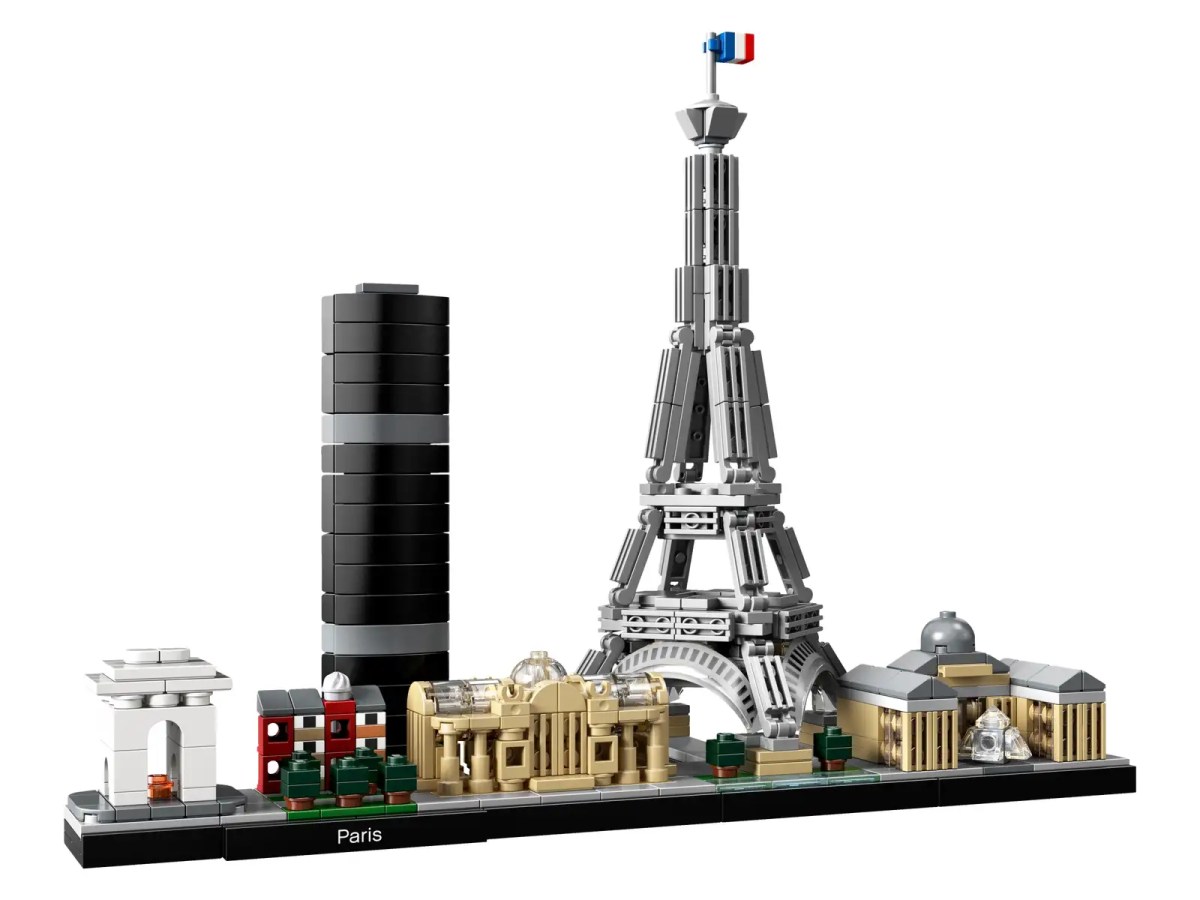
| LEGO Skylines | 450–650 | $49.99–$59.99 | 3–5 hours | Travelers, architecture fans |
| Orchid (10311) | 608 | $49.99 | 4–6 hours | Plant lovers who kill plants |
Intermediate (10–20 hours)
| Set | Pieces | Price | Build Time | Best For |
|---|---|---|---|---|
| Daily Bugle (76178) | 3,772 | $349.99 | 15–20 hours | Bookshelf display, minifig collectors |
| Medieval Town Square (10332) | 3,304 | Check current price | 14–18 hours | Village builders, detail lovers |
| Natural History Museum (10326) | 4,014 | Check current price | 16–22 hours | Modular collectors, museum fans |
| Retro Radio (10334) | 906 | Check current price | 6–8 hours | Music and nostalgia collectors |
Expert (20–40+ hours)
| Set | Pieces | Price | Build Time | Display Requirement |
|---|---|---|---|---|
| Millennium Falcon UCS (75192) | 7,541 | Check current price | 30–38 hours | Dedicated table or wall bracket |
| Ferrari Daytona SP3 (42143) | 3,778 | $449.99 | 20–24 hours | Shelf or desk with space for 1:8 scale |
| Titanic (10294) | 9,090 | $679.99 | 30–40 hours | Long table, no foot traffic |
| The Milky Way Galaxy (31212) | 3,091 | Check current price | 16–20 hours | Wall mount, long-term project |
The Budget Reality: If you're splitting builds across months, factor in opportunity cost. A set sitting in an unopened box for three months is money not earning interest or covering other hobbies. Buy the set when you have the time, not when it's on sale.
My Honest Reviews: 70+ Sets Tested Over Two Years
The best LEGO sets for adults balance engineering depth, display value, and realistic build time. The Millennium Falcon justifies its price through mechanical detail. The Bonsai Tree delivers the best display-to-cost ratio. The Daily Bugle is the best large set for small apartments.
Every review below includes the cost-per-hour at my actual building pace, labeled where I used original retail price (RRP) because some sets are now retired and prices vary on the secondary market. Your pace will vary. The goal is to give you a realistic framework, not a universal number. Prices are current as of publication—check LEGO.com before buying, especially for retired sets.
A note on retired sets: Several sets reviewed below have retired since this article was first published. I’ve labeled them clearly. Where a set is retired, I’ve added a currently available alternative so you have something you can actually buy.
Best Star Wars LEGO Sets
Millennium Falcon UCS (75192) — The Benchmark Everyone Compares Against
7,541 pieces | Check current price | 38 hours | ~$22/hour at original RRP
This is the LEGO equivalent of owning a RED camera—impressive, expensive, and requires dedicated infrastructure. The build took me 38 hours split across six weeks (3-hour sessions while listening to film soundtracks).
Why it justifies the price: The hidden details aren’t Instagram bait—they’re actual engineering. The Dejarik holochess table uses transparent tiles to simulate holograms. The removable hull panels reveal the hyperdrive core. The landing gear supports the weight of the ship.
Display reality check: You need 33″ × 22″ of flat surface (coffee table, wall-mounted shelf rated for 15+ pounds), a $40–60 acrylic display stand (optional but prevents sagging), and weekly dusting (makeup brush in the cockpit crevices, air blaster for exhaust ports).
Who should NOT buy this: Anyone without dedicated display space. Anyone prone to moving apartments frequently. Anyone who hasn’t finished a 2,000+ piece set before. If you’re in any of those categories, buy the Republic Gunship instead.
Budget alternative: UCS Republic Gunship (75309) at $349.99 delivers the “serious build” feeling at half the price.
UCS Republic Gunship (75309) — The Best “Affordable” UCS Set for Prequel Fans (Retired / Secondary Market)
3,292 pieces | Retired ($500–$750 Secondary Market) | 18 hours | ~$19.44/hour at original RRP
This set retired at the end of 2023, but it remains one of the best mid-tier UCS builds if you’re hunting the aftermarket. At original retail it was half the price of the Falcon, but expect a secondary market markup on Amazon or eBay today. Still, it delivers that “this is a serious build” feeling.
What makes it worth buying: The bubble turrets use transparent curved pieces (rare in LEGO). The side doors actually open. The cockpit fits two minifigs with full interior detail visible from outside.
Display tip: LEGO includes wall-mount anchor points. Use $25 brackets from Amazon. This thing is 23 inches long—it’ll dominate any shelf you put it on.
Who should NOT buy this: Anyone who hated the prequel trilogy. This is pure Attack of the Clones nostalgia. If that doesn’t appeal to you, buy the Razor Crest instead.
Budget alternative: The playscale Millennium Falcon (75257) at $159.99 gives you the Star Wars ship feel at a third of the price and a fraction of the space.
Best Superhero LEGO Sets
Avengers Tower (76269) — High Price, But Unmatched Marvel Minifig Scale
5,201 pieces | $499.99 | 24 hours | $20.83/hour
Thirty-one minifigures representing every MCU phase. The working elevator lights up via USB (gimmicky, but guests love it). At 35.5″ tall but only 12″ deep, it fits in corners better than most tower sets.
The honest price problem: This should cost $400. You’re paying a $100 premium for the Marvel licensing and minifig count. If you don’t care about collecting minifigs, skip it.
Who should NOT buy this: Anyone who doesn’t care about minifigures. The build itself is repetitive (floors of windows and office interiors). The value is in the figures, not the structure.
Budget alternative: Daily Bugle (76178) at $349.99 delivers more display value per dollar and fits on a standard bookshelf—with a height clearance caveat (see below).
Daily Bugle (76178) — The Best Value in the Entire Marvel Line
3,772 pieces | $349.99 | 18 hours | $19.44/hour
This vertical build fits on standard bookshelves footprint-wise (10.5″ × 10.5″) but stands 32 inches tall. You’ll need to remove or adjust the shelf tier above it. Once you do, it delivers more display value than sets twice its price. Twenty-five minifigures including Blade, Punisher, and Daredevil (rare characters that don’t appear in other Marvel sets).
I built this between film projects last year. The repetitive window construction became my evening ritual—same technique, slight variations, watching the tower grow one floor per session. It’s described as having four near-identical stories, so the repetition is by design.
Display hack: Use a $15 acrylic riser under the ground floor to showcase the street-level battle scene. Adds 3 inches of height, makes the whole build feel taller.
Who should NOT buy this: Anyone who wants a build with varied techniques. This is repetitive by design. If you get bored easily, buy the Natural History Museum instead.
Budget alternative: The Sanctum Sanctorum (76218) at $249.99 offers a similar vertical display presence with more varied interior detail.
🏛️ Best LEGO Architecture Sets
Best LEGO Architecture Sets
LEGO Skylines (New York, Paris, London, Tokyo) — The Best “First Adult LEGO” Gift
450–650 pieces | $49.99–$59.99 each | 3–5 hours | $10–15/hour
These are my go-to recommendations for skeptics. Small enough to finish in one evening. Sophisticated enough that clients don’t assume you’re reliving childhood.
I keep the New York skyline on my desk. Guests always notice it. It’s a conversation starter that reads as “design interest” rather than “toy collector.”
Display hack: Line up 3–4 skylines on a single floating shelf for a “world tour” effect. Total cost: $200. Total space: 48″ of shelf.
Who should NOT buy this: Anyone who wants a “real” build experience. These are weekend projects, not month-long commitments. If you want depth, buy the Natural History Museum.
Budget alternative: There is no cheaper LEGO architecture option that maintains the same display sophistication. These are the entry point.
Medieval Town Square (10332) — The Best Meditative Build for Detail Lovers
3,304 pieces | Check current price | 16 hours | Cost-per-hour varies
This is the set I recommend to anyone who loved the Taj Mahal’s symmetry but wants something currently available. The half-timbered buildings, the market stalls, the tiny details in every corner—it’s a build that rewards patience.
I built this over a long weekend. The repetition of roof tiles and window frames became meditative rather than tedious. Every section mirrors another. Your brain loves patterns.
Who should NOT buy this: Anyone looking for a “challenging” build. This is therapeutic, not difficult. If you want moving parts, buy the Ferrari.
Budget alternative: The A-Frame Cabin (21338) at $179.99 offers a similar detailed build in a smaller footprint.
Best LEGO Music Masters
Grand Piano (21323) — The Only LEGO Set That Made Me Cry
3,662 pieces | $399.99 | 22 hours | $18.18/hour
The keys actually work. Twenty-five moving hammers trigger sensors. Connect to your phone via LEGO’s Powered Up app and it plays five classical pieces: Für Elise, Moonlight Sonata, Turkish March, Ode to Joy, and The Entertainer.
As someone who spends hours cutting sound and syncing audio tracks, seeing mechanical hammers trigger sensors to trigger digital audio via an app was pure engineering magic. I didn’t cry because of the music. I cried because I understood exactly how much work went into making that mechanism function.
The honest downside: The app is finicky. Bluetooth connection drops if your phone is more than 6 feet away. The “playing” is mechanical, not musical—it’s impressive engineering, not concert quality.
Who should NOT buy this: Anyone without an emotional attachment to pianos or mechanical engineering. The build is good, but the premium is for the novelty. If you just want a music-themed display piece, buy the Retro Radio.
Budget alternative: Retro Radio (10334) delivers strong display value and nostalgia at a lower price point.
Fender Stratocaster (21329) — Better Display Value Than the Piano
1,074 pieces | Check current price (retired) | 8–9 hours | Cost-per-hour varies
The adjustable tremolo arm works (spring-loaded mechanism). The strap pegs hold weight. The matching amp has rotating knobs. The build took 8 hours spread over two nights.
Easter egg nobody mentions: The case sticker replicates Fender’s 1954 patent diagram. LEGO’s attention to detail matters when you’re displaying this on a music studio wall.
Display hack: Use guitar wall hooks ($8 on Amazon) for a floating display effect. Looks like real studio equipment from 5 feet away.
Who should NOT buy this: Anyone who wants a currently available set at retail price. This retired in December 2024 and now sells for $150–$250 on the secondary market depending on condition. If you want a music-themed display piece you can buy today, see the budget alternative below.
Budget alternative: The Record Player with Flowers (31172) at ~$39.99 is a currently available Creator 3-in-1 set with a moving turntable, flowers, and the option to rebuild into a radio or microphone. It’s retiring at the end of 2026, so availability is limited — but it’s still buyable at retail.
If the Record Player retires: The LEGO Editions Olivia Rodrigo collection launched August 1, 2026, and includes five music-themed sets designed as display pieces. The Olivia Rodrigo’s Vinyl (43028) at 360 pieces and ~$34.99 is the closest direct replacement — a brick-built collectible vinyl display inspired by her albums. For a larger display piece, the Olivia Rodrigo’s Dual Guitar (43031) offers a guitar-shaped build at a higher price point. These are brand-new releases with no retirement date announced, so they’ll be available well into 2027.
Best LEGO Botanical Sets
Flower Bouquet (10280) — The Set My Partner Still Doesn’t Know Is LEGO
756 pieces | $59.99 | 5 hours | $12/hour
I bought this for my partner’s birthday. She displayed it in a vase for three months before I told her it was LEGO. She didn’t believe me. Picked it up to inspect. Only then did she realize.
Pro tip: Mix with real dried flowers (baby’s breath, eucalyptus) for a hybrid arrangement that confuses everyone. The bendable stems allow realistic posing.
The catch: Dust collects in the petals faster than you’d think. Use a soft makeup brush weekly or it’ll look sad by month two.
Who should NOT buy this: Anyone who wants a “build” experience. This is assembly, not engineering. It’s a display piece that happens to require construction.
Budget alternative: The Roses (40460) set at $12.99 delivers the same “wait, that’s LEGO?” effect at a fraction of the price.
Bonsai Tree (10281) — The Set I Recommend to Every Skeptic
878 pieces | $49.99 | 5 hours | $10/hour
This is the gateway drug to adult LEGO. It’s small (8″ H), affordable, and doesn’t scream “toy” from across a room.
Best feature: Swap between green leaves and pink cherry blossoms depending on season or mood. Takes 10 minutes to switch. Guests never notice it’s LEGO until they’re within 2 feet.
Hidden detail: Check the “soil” closely. There’s a small surprise in there that LEGO included as an inside joke for repeat customers.
Who should NOT buy this: Anyone who already knows they want a large-scale flagship build. If you’ve built a 3,000+ piece set before and loved it, the Bonsai might feel too simple. It’s a starter set, not a centerpiece.
Budget alternative: The Succulents (10309) at $49.99 offers a similar botanical display with nine individual plants.
🎨 Best LEGO Art Sets
Best LEGO Art Sets
The Milky Way Galaxy (31212) — The Multi-Year Wall Project
3,091 pieces | Check current price | 18 hours | Cost-per-hour varies
This is the set that replaced the World Map in my recommendation list. It’s a wall-mounted art piece built from thousands of tiny tiles, and it’s the kind of project you chip away at while listening to podcasts or waiting for render exports.
Why people love it: The layered depth creates a 3D effect that reads from across the room. Under proper lighting, the swirls and star clusters have a dimensionality that flat posters can’t match.
The honest space problem: This is poster-frame size. You need wall space you’re willing to commit to for months.
Who should NOT buy this: Anyone who needs a finished product in a weekend. This is a marathon, not a sprint. If you want a completed art piece quickly, buy Starry Night.
Budget alternative: The Starry Night (21333) at $169.99 delivers a complete art experience in 15 hours instead of 18+.
The Starry Night (21333) — This Changed How I Think About LEGO
2,316 pieces | $169.99 | 15 hours | $11.33/hour
The 3D brushstrokes aren’t just clever marketing—they’re genuinely beautiful. Van Gogh would approve (or at least not hate it).
I built this after a frustrating edit session on Going Home. Spent 15 hours sorting tiny blue tiles while watching the swirls take shape. Felt like actual art therapy. If you’re interested in how I approach visual composition—which definitely influenced how I appreciated this set’s layered depth—check out my guide to intentional production choices.
Hidden bonus: The lighter tiles in the sky react under UV light. I keep a small blacklight nearby for dinner parties. Guests always notice.
Display reality: This needs dedicated picture-frame lighting ($15–25 LED strip). Without it, the depth doesn’t read from more than 5 feet away.
Who should NOT buy this: Anyone who wants an interactive build. This is tile-sorting meditation. If you want moving parts, buy the Grand Piano.
Budget alternative: The Great Wave (31208) at $99.99 offers a similar art-display experience with a different aesthetic.
🏎️ Best LEGO Technic Sets
Best LEGO Technic Sets
Ferrari Daytona SP3 (42143) — The Most Satisfying Mechanical Build
3,778 pieces | $449.99 | 22 hours | $20.45/hour
The V12 engine’s pistons move when you roll the wheels. The 8-speed gearbox actually shifts (you can feel the gear changes). Scissor doors open with spring-loaded hinges.
Engineering detail: The undercarriage replicates real aerodynamic tunnels using angled slope pieces. This isn’t cosmetic—it’s functional design translated to LEGO.
Who should NOT buy this: Anyone who wants display-only sets. Technic builds demand interaction—you’ll spend more time playing with the gearbox than admiring the exterior. Also, anyone who isn’t interested in cars. The premium is for the engineering, not the display presence.
Budget alternative: The McLaren Formula 1 Race Car (42141) at $199.99 delivers similar mechanical satisfaction at less than half the price.
🏘️ Best LEGO Modular Buildings
Best LEGO Modular Buildings
Natural History Museum (10326) — The Best Modular Building for First-Timers
4,014 pieces | Check current price | 20 hours | Cost-per-hour varies
This is the set that replaced the Bookshop in my recommendation list. It’s a single large building with a sweeping facade, a central atrium, and enough interior detail to reward slow building. The construction is more varied than the Bookshop’s stacked floors, which makes it a better first modular experience.
I built this over three evenings. The repetition of the window arches was meditative, but the varied interior—exhibits, staircases, display cases—kept it from feeling like a factory job.
Pro collector tip: Modular buildings retire fast and have historically appreciated in value. Buy sets you want to build, not sets you want to flip—but if you find two at retail, one might fund your next purchase.
Who should NOT buy this: Anyone who wants a compact build. This is a large footprint set. If you’re short on shelf space, buy the Retro Radio instead.
Budget alternative: The Boutique Hotel (10297) at $229.99 offers a similar modular experience with more varied interior detail and a smaller footprint.
The Verdict: Which LEGO Sets Actually Justify Their Cost
After building 70+ sets over two years, the Millennium Falcon, Bonsai Tree, and Daily Bugle are the three I would buy again knowing what I know now. The Avengers Tower is the one I'd skip. The pattern is clear: display value and realistic build time matter more than piece count.
| Category | Winner | Runner-Up | Why |
|---|---|---|---|
| Best Overall | Millennium Falcon | Republic Gunship | Engineering depth justifies the price |
| Best Value | Bonsai Tree | Flower Bouquet | $50 delivers max display-to-cost ratio |
| Most Therapeutic | Starry Night | Medieval Town Square | Tile sorting = actual meditation |
| Best Display | Daily Bugle | Natural History Museum | Bookshelf-friendly footprint (with clearance) |
| Most Impressive | Milky Way Galaxy | Grand Piano | Conversation guaranteed |
| Best Gift | Flower Bouquet | Bonsai Tree | Universal appeal, affordable |
| Set I'd Skip | Avengers Tower | — | Space-to-value ratio doesn't justify price for me |
The real test: Would I buy it again knowing what I know now? For the Millennium Falcon, Bonsai Tree, and Daily Bugle — yes. For the Avengers Tower — probably not. The minifigs are great, but the build itself is repetitive and the display footprint doesn't justify the $500 price tag for me.
What Audiences Actually Feel: On a film set, the best equipment isn't the most expensive. It's the gear that does the job without creating new problems. LEGO is the same. The best set isn't the biggest or most complex. It's the one that fits your life without requiring you to reorganize it.
Key Takeaways
- Measure your shelf before you buy anything. The Millennium Falcon is 33 inches long.
- Calculate cost-per-hour, not cost-per-piece. A $500 set that takes 30 hours is $17/hour.
- Budget for hidden costs. LED strips, acrylic stands, dusting brushes — $180 for five sets.
- Start with a $50 Bonsai Tree. Finish it. Then scale up.
- Display beats storage. A clean, lit $50 set looks better than a dusty, dark $800 set.
- The best set is the one you finish. Don't buy a 7,500-piece flagship for your first build.
FAQ
What is the best LEGO set for an adult beginner?
The Bonsai Tree (10281) at $49.99. It’s 878 pieces, takes 4–6 hours, fits on a desk, and doesn’t look like a toy. Finish it, then decide if you want a larger build. Starting with a flagship is how you end up with a half-built Falcon in a closet.
How much space does the Millennium Falcon need?
33 inches long, 22 inches wide, roughly 8 inches tall, 9 pounds. You need a dedicated coffee table or a wall-mounted bracket rated for 15+ pounds. Standard bookshelves will not hold it.
How do I calculate the cost-per-hour of a LEGO set?
Divide the price by the hours it takes to build. A $500 set at 25 hours is $20/hour. Aim for $10–20/hour for good value. My Falcon came out to $22.36/hour over 38 hours. Use your realistic pace, not the theoretical one.
Is the LEGO Titanic worth the price?
Only if you have a 53-inch table you’re willing to dedicate for months. I haven’t built it personally, but the piece count and dimensions suggest it’s a long-term commitment with an enormous footprint. The Bonsai Tree and Daily Bugle together cost less and give you more display flexibility.
Do retired LEGO sets appreciate in value?
Some do. Modular buildings have historically appreciated after retirement, but past performance doesn’t guarantee future results. Buy sets you want to build, not sets you want to flip. The market is unpredictable.
Conclusion
The best LEGO sets for adults in 2026 are the ones that fit your actual life—your shelf space, your available hours, and your honest budget. The Millennium Falcon is a masterpiece, but it’s a masterpiece that requires a coffee table and 38 hours. The Bonsai Tree is a $50 entry point that delivers more display satisfaction per dollar than anything else in the catalog.
Here’s the production reality check: nobody warns you about the dust, the UV fading, the wall brackets, or the pillowcase method for moving. The set is the entrance fee. The maintenance is the subscription. If you’re not ready for both, buy a smaller set and enjoy it properly.
If you’re just starting: buy the Bonsai Tree. Finish it this weekend. Put it on your desk. See how it feels to have a finished object that required your hands, not your screen. If you’ve already made the mistake—you have a half-built Falcon in the closet and a shelf that bows under the weight of a Republic Gunship—buy the wall brackets, finish the Falcon, and measure your next shelf before you buy anything else. The snap of bricks locking into place is the sound of a brain finally shutting off. That’s worth paying for. Just make sure you have somewhere to put it.
📌 Affiliate Disclosure
PeekAtThis.com participates in the Amazon Services LLC Associates Program and other affiliate programs, including B&H Photo, Adorama, CJ, and ClickBank. If you purchase through links on this site, we may earn a small commission at no additional cost to you. These commissions help support the site and allow us to continue creating free content, reviews, and tutorials.
If this article helped you avoid an expensive mistake, discover a better piece of gear, or learn something new, consider sharing it with someone who might benefit from it too.
📌 Don’t forget to bookmark PeekAtThis.com and save any useful guides for future reference.
About the Author
Trent Peek is a filmmaker, writer, and producer based in Victoria, BC, and the founder of PeekAtThis.com. His production credits include set decoration on Netflix’s Maid, and writing/directing Going Home (2024 Soho International Film Festival) and Noelle’s Package (48-hour festival winner, shot on smartphone). He’s also a former President of Cinevic, Victoria’s Society of Independent Filmmakers, and works as a doorman at a four-star hotel — a job that’s taught him as much about reading people under pressure as any film set has.
When he’s not writing articles, testing gear, or working on film projects, Trent enjoys traveling, reading, exploring new technology, and developing future film ideas — many of which may never leave the notebook stage.
P.S. Writing in the third person still feels weird.
Trent recently appeared on the Pushin Podcast — listen to the full episode — where he discussed independent filmmaking, directing actors, production challenges, and lessons learned from working in film.