
Introduction: Lights, Camera, Decide – Your Path to Filmmaking Success
The dream of making movies? It’s powerful. It’s the kind of dream that keeps you up at night, sketching out scenes on napkins or mentally casting your friends in an epic sci-fi saga that, let’s be honest, will probably never see the light of day. But the path from that napkin sketch to a finished film is rarely straightforward. In fact, it’s often about as clear as a lens after a particularly greasy snack.
Here’s the deal: formal education has its place, absolutely. But true success in the cutthroat film industry often hinges on something more. It’s about raw passion, the kind that makes you relentlessly create, even when you’re tired, broke, and wondering if you should’ve just become an accountant. It’s about smart, unconventional strategies, and a willingness to get your hands dirty, rather than simply flashing a fancy degree.
This isn’t just another dry list of film school pros and cons. This is a candid, real-world guide. It’s here to help you figure out the best decision for your filmmaking journey. We’ll dive into insights from folks who’ve actually been in the trenches, and I’ll give you actionable steps you can take today, no matter which way you lean. By the end, you’ll have a much clearer picture of whether you should attend film school.
The Core Question: Do You Really Want to Make Movies? (The Litmus Test)

Filmmaker vs. “Being a Filmmaker”: A Crucial Distinction
Okay, let’s get real. If you genuinely want to make movies, you’ve got ideas buzzing in your head that demand to be brought to life. Successful creatives, especially writers and directors, have an innate desire to create something. They have concepts that just stick, compelling them to put in the grueling work to make them real.
Now, be honest with yourself: do you want to make films, or do you just want to be recognized as a filmmaker? Those are two very different things. If you like the idea of being called a filmmaker but have no actual desire to roll up your sleeves and make movies, now’s the time to jump ship.
I knew plenty of film school friends who were only interested because they didn’t want “real jobs” and liked the idea of working on flashy productions. They churned out some interesting projects, sure, but they lacked that internal drive to truly create. Filmmaking felt like a chore to them, not an opportunity. None of them have accomplished anything noteworthy, and most have left the industry with college debt but no relevant career.
The “Excitement vs. Dread” Litmus Test on Set
Here’s a quick gut check. When you walk onto a film set, are you overcome with a mix of excitement and nervous energy? That’s a good sign. It means you’re in your element, ready to dive in, even with the inherent chaos. But if you walk onto a set and feel a sense of dread and anxiety, a heavy sigh escaping before you even begin, then it’s probably not for you.
Filmmaking, at its core, should be enjoyable. It’s a tough gig, and if you don’t genuinely love the process, you’ll never make it through the long hours and endless challenges.
Film School: The Reality Check (Benefits, Drawbacks, and Nuance)

What Are the Perceived Benefits of Film School (And What They Really Mean)?
Film school often gets pitched as the golden ticket, a direct line to Hollywood. Let’s peel back the layers and look at what those supposed benefits actually are, and what they really mean for your career.
Does Film School Provide a Strong Foundation of Theory?
Yes, absolutely. Film school gives you a solid theoretical foundation. You learn why we do what we do, how the masters pulled off their cinematic magic, and the historical context of filmmaking. It’s like getting the blueprint before you start building the house. This can be invaluable for understanding storytelling, visual language, and the history that shapes modern cinema.
Can You Build Your First Network at Film School?
Film school is a great place to build your initial network. You’re surrounded by other aspiring filmmakers – future directors, cinematographers, editors, and producers. These early connections can lead to lifelong collaborations. You’ll work on projects together, learn each other’s strengths, and potentially find your core creative team. However, for landing directing gigs, the alumni network often isn’t the magic bullet some people claim. It’s more about who you know and what you do once you’re out there.
Is Film School a Safe Sandbox for Making Mistakes?
This is a huge, often overlooked benefit. Film school is a safe sandbox where you can experiment, fail spectacularly, and learn from those blunders without costing anyone a fortune or ruining a real production. You’ll make terrible short films, mess up lighting setups, and forget crucial audio recordings. And that’s okay. It’s a controlled environment designed for learning through trial and error.
Do You Get Access to Equipment & Facilities at Film School?
The allure of “swanky cameras,” professional lighting kits, and state-of-the-art editing suites is a big draw for film school. You get to play with gear that would cost a fortune to rent on your own. This hands-on experience is definitely valuable.
My Counterpoint: Here’s the kicker: for the cost of your tuition, you could probably rent that exact equipment for a significant amount of time and create your own material. You don’t need to pay hundreds of thousands of dollars to touch a RED camera. The price tag of film school often outweighs the benefit of temporary equipment access.
Does Film School Offer Structured Learning & Deadlines?
A curriculum provides discipline. You get assignments, deadlines, and a structured path through pre-production, production, and post-production. This can be great for those who thrive in a structured environment and need that external push to complete projects.
My Counterpoint: Self-learners can absolutely replicate this structure and accountability. You can set your own deadlines, join online filmmaking challenges, or find accountability partners. The discipline comes from within, not just from a syllabus.

The Elephant in the Room: The Exorbitant Cost & Questionable Value
Let’s not beat around the bush. Film school is always a dangerous proposition, primarily because of the cost.
What Is the Insane Price Tag of Film School?
Film school is exorbitantly priced. We’re talking tens, sometimes hundreds, of thousands of dollars for tuition alone. Then you add living expenses, equipment you still end up buying, and the opportunity cost of not working full-time. It’s a massive financial commitment.
What Is the Return on Investment for a Film Degree?
This is where it gets tricky. In an industry where you often don’t make serious money until you’re established – and that can take a decade or more – accumulating massive debt for a film degree is a serious gamble. You need to ask: how much debt will you incur, and how valuable will that degree actually be to you?
Is the “Film School Can Be Cheaper” Argument Misleading?
Some argue that not going to film school can actually be more expensive because you have to buy all your own gear and make mistakes without guidance. That’s a nice thought, but it’s often misleading.
My Perspective: My take? You can make affordable mistakes with a smartphone or entry-level camera, and the vast majority of equipment can be rented when you need it. The cost of a few rentals and online courses pales in comparison to a four-year tuition bill. You can learn from your mistakes by doing, and that’s often cheaper than paying a school to provide a “sandbox.”
How Do You Assess the Value of a Film Degree?
When considering a film degree, look beyond the glossy brochures. Are there notable alumni who are actually succeeding in the industry? What are the program’s actual success rates for graduates? Can you genuinely add value to your resume by participating in extracurricular activities like a robust film club? These factors are far more important than the school’s name recognition alone.

Choosing Your Program (If You Go): Production vs. Studies
If you decide film school is for you, understanding the different types of programs is crucial.
What Are Film Production Programs?
Film production programs focus on the craft. They’re all about hands-on experience, teaching you how to operate cameras, light a scene, record sound, and edit footage. These programs are designed to give you the practical tools and experience needed to make films.
What Are Film Studies Programs?
Film studies programs are different. They’re not about teaching you how to physically make a film. Instead, they focus on analytical and critical thinking skills. You learn to dissect films, understand genres, explore cinematic history, and analyze what works (or doesn’t) from an academic perspective. While valuable for critics or academics, they won’t equip you with the practical skills to direct or shoot.
What Is the Power of Film Clubs & Extracurriculars?
No matter which program type you choose, if your prospective school has a film club, join it. Every semester at my school, we had a filmmakers’ club where we’d all go out and make movies. I made four films for my classes and shot six. Through that club, I was able to shoot fifteen films. It significantly boosted my experience and helped me work through many of the rough patches of learning a craft while still in school. These clubs offer exponential learning opportunities beyond the formal curriculum.
The Unconventional Path: Breaking In Without Film School (Your Competitive Edge)

What Truly Matters: The Indispensable Skills & Attitude
Forget the fancy degrees and the perfect resume for a second. In the film industry, especially when you’re just starting, two things matter more than almost anything else: your ability to learn and your attitude.
Why Is the Ability to Listen & Learn Quickly Paramount on Set?
Film sets are fast-paced, high-pressure environments. Things change on a dime, and you’ll get instructions that need to be followed immediately and precisely. If you have to be told twice how to do something, that’s a bad sign. The pros don’t have time to babysit. They need people who can listen, absorb information, and execute quickly. This isn’t about being a genius; it’s about being observant and responsive.
Why Is a Positive Attitude the Make-or-Break Factor for Interns and PAs?
Your attitude is everything. Seriously. If you walk onto a set with contempt for the work, a grumpy demeanor, or a sense of entitlement, you won’t last. The film industry is grueling, and people want to work with folks who are enthusiastic, collaborative, and genuinely happy to be there. I can think of a few people who came in out of nowhere, asked for a job, and became professional filmmakers within a year, simply because they had these two qualities in spades.
Take my friend, for example. A few years back, he drove from the middle of Canada all the way to Vancouver because he couldn’t afford college but was desperate to learn the film industry. He had no experience, no connections, just a burning desire. He cracked a smile, made jokes with everyone he met, and once he was taught something, he was ready to go. He’s now got a popular YouTube channel doing nature documentaries and knows his way around most camera and grip equipment. He was successful because he embodied those traits: a great attitude and the ability to learn fast. These aren’t just film industry traits; they’ll propel you forward in life, period.

Actionable Strategies to Get Your Foot in the Door (Beyond the Classroom)
So, if film school isn’t the only answer, how do you actually get your foot in the door? It’s simpler than you think, but it requires hustle and a thick skin.
How Can Cold Calling Productions Land You a Job?
This might sound old-school, but it works. Locate the production listings for your area. Most major cities with a strong film industry have resources that list upcoming productions. Go through that list, calling or emailing each one, asking for an intern or PA (Production Assistant) position. Don’t be a robot. Include some humor and friendly jokes to humanize yourself. When I first moved to LA, I did exactly this and ended up camera interning for an ASC DP on a film within a couple of months. It’s effective because most people don’t bother.
How Can Working at a Rental House Help Your Career?
Working at a rental house is a secret weapon. You get free, hands-on access to all the expensive equipment you’d otherwise pay a fortune for. More importantly, you’ll meet a revolving door of clients who are actually working in the industry. Directors, DPs, producers – they all come through rental houses. It’s an incredible networking opportunity disguised as a job.
How Do Filmmaking Organizations Help You Connect?
Discover some film production organizations in your region and join them. These groups often host events, workshops, and provide opportunities to meet like-minded people. If you can’t find any formal groups, don’t worry! You have other choices.
How Can Attending Film Festivals Boost Your Network?
Film festivals are a goldmine for networking. Attend them, watch films, and strike up conversations with filmmakers. Show genuine curiosity about their work and demonstrate that you’re keen to learn how they do what they do. Offer to assist them on set in any way you can, even if it’s just for free. Eventually, you’ll build a newly founded network that you can continue to develop by utilizing the other options listed above.
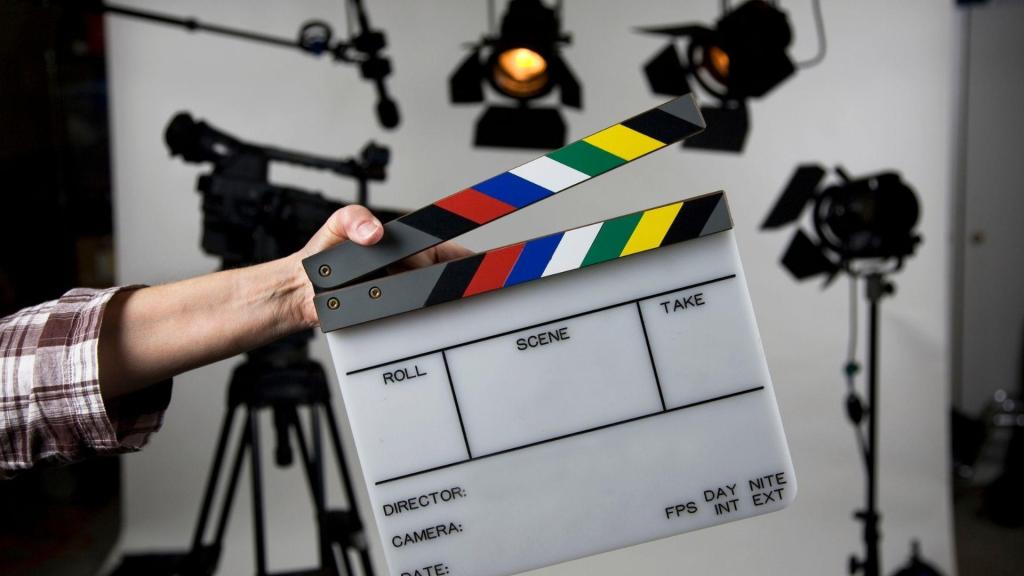
Your Immediate Action Plan: Stop Debating, Start Creating!
Okay, enough babbling! You’ve read the arguments, you’ve considered the costs, and you’ve thought about your true motivations. Now, you must decide whether you want to continue your career as a filmmaker or pursue a more secure major (like, say, accounting – no judgment here, we all need someone to do our taxes).
We understand it’s a difficult decision, but you’re an adult now, and this is what that entails. You have control over your destiny, and you can’t rely on anyone else to make that decision for you. Once you’ve made a decision, take ownership of it. If you decide to go with film, keep everything I’ve said so far in mind.
However, there’s one thing you must do, regardless of your choice: create.
What Is the Power of Your Smartphone as Your First Filmmaking Tool?
Go outside right now and film a movie. Use your smartphone. Seriously. That iPhone, that Samsung Galaxy you’ve got in your pocket? It has way better video quality than the crappy filmmaking camera I used in film school. Don’t be concerned about the equipment or the mistakes. Don’t measure yourself against others. Just create something and observe it. See what you like and don’t like, and make changes to your next project! This is the time for you to experience what it’s truly like to make a film.
What Essential Gear & Software Do Aspiring Filmmakers Need?
You’ve already made an excellent, potentially life-changing decision by not attending film school. It’s such a colossal waste of money (and time). YouTube, Vimeo, and a few dedicated film education sites can literally teach you everything you need. Of course, my advice will differ considerably depending on where you want to go in the field (pre-production, production, or post-production), but the general version is as follows:
What Is the Right Computer for Your Production Hub?
Get yourself a MacBook Pro (or a Mac Mini or iMac). The MacBook Pro is probably the best choice because of its portability. I’m not a PC hater by any means, but when it comes to make-or-break situations, you can count on a Mac. They’re simply more dependable and stable for creative work.

How Do You Capture the Vision with Your First Camera Setup?
Purchase a DSLR or Mirrorless Camera with 2-3 lenses and a high-quality tripod. I’m not an expert on every single camera model out there, but I own a Sony A7R III because it produces impressively sharp and well-rendered video in both 4K and 1080p. The video looks great even in low light, with minimal visual noise. Find something similar that fits your budget and needs.
How Do You Craft the Story with Editing Software?
Download the Adobe Creative Cloud. This gives you an entire arsenal of professional software, including Premiere Pro, After Effects, and Photoshop. If you’re hesitant to invest in software right away, you can experiment with iMovie on your Mac to get a feel for video editing and see if it’s for you.
Strong Warning: Do not, I repeat, do not purchase AVID Media Composer. Learning to edit on AVID is comparable to learning to drive a bus when you can’t even drive a car yet. I’m not a fan of AVID.
How Can You Leverage the Modern Film School: Online Education & Resources?
The internet is your new film school. It’s affordable, flexible, and packed with knowledge.
Where Can You Find Free, Practical “How-To” Content?
Begin by watching how-to videos on how to use your camera. YouTube and Vimeo have you covered. It will take some practice to get the hang of this. You can start editing with the footage you’ve filmed. Once again, almost all the materials and tutorials you’ll need can be found on YouTube, covering nearly all the fundamentals.
What Online Platforms Offer Learning from Industry Giants?
Learn filmmaking from experienced instructors via online platforms like Masterclass and Udemy. With these platforms, you can learn the tricks of the trade from well-known filmmakers and instructors at a low cost. You never know what information they may provide that will help you become a better filmmaker.
I pay for Masterclass every year, and when you can learn from filmmakers like James Cameron, Martin Scorsese, Ron Howard, and others, there is always something they can teach you to help you become a better filmmaker.

Conclusion: Your Destiny, Your Decision
Okay, enough babbling! You’ve read the arguments, you’ve considered the costs, and you’ve thought about your true motivations. Now, you must decide whether you want to continue your career as a filmmaker or pursue a more secure major (like, say, accounting – no judgment here, we all need someone to do our taxes). We understand it’s a difficult decision, but you’re an adult now, and this is what that entails. You have control over your destiny, and you can’t rely on anyone else to make that decision for you. Once you’ve made a decision, take ownership of it. If you decide to go with film, keep everything I’ve said so far in mind.
However, there’s one thing you must do, regardless of your choice: create.
The most important thing you can do, right now, is to create. Keep learning, keep experimenting, and keep making movies. Your destiny as a filmmaker is in your hands.
Frequently Asked Questions (FAQ)
Q: Is film school necessary to become a successful director?
A: No, film school is not necessary to become a successful director. While it offers benefits like networking and a structured learning environment, many highly successful directors never attended film school. Your innate drive, ability to learn quickly, positive attitude, and consistent creation of work are often more crucial than a degree.
Q: How much does film school typically cost, and what are the hidden expenses?
A: Film school can be exorbitantly expensive, ranging from tens to hundreds of thousands of dollars for tuition alone. Hidden expenses include living costs, equipment you’ll still need to buy (even if you get some access at school), and the opportunity cost of not earning income during your studies. The return on investment can be questionable, as it might take a decade or more to see significant financial gains in the industry.
Q: Can I learn filmmaking effectively through online courses and free tutorials?
A: Absolutely. The internet is a powerful alternative to film school. Platforms like YouTube and Vimeo offer a vast treasure trove of free, practical “how-to” tutorials covering nearly every aspect of filmmaking. Paid online platforms like Masterclass and Udemy also provide high-quality instruction from industry giants at a fraction of the cost of traditional film school.
Q: What are the best entry-level jobs in the film industry for someone without a degree?
A: The best entry-level jobs often prioritize attitude and a willingness to learn over a degree. Roles like Production Assistant (PA) or working at a rental house are excellent ways to get your foot in the door. These positions allow you to gain invaluable on-set experience, learn from professionals, and build your network from the ground up.
Q: What basic equipment do I need to start making films on my own?
A: To start making films, you primarily need a computer (a MacBook Pro or similar reliable machine is recommended), a DSLR or Mirrorless camera with a few lenses and a high-quality tripod, and editing software (Adobe Creative Cloud is a professional standard, but iMovie can be a great starting point for Mac users). Don’t forget your smartphone – it’s a powerful filmmaking tool on its own!
Q: How important is networking in the film industry, and how can I do it outside of film school?
A: Networking is extremely important in the film industry; it’s often about who you know. You can build a strong network outside of film school by cold calling productions for intern or PA roles, working at a rental house, joining local filmmaking organizations, and actively attending film festivals. Showing genuine curiosity and a willingness to help will open doors.
Peekatthis.com is part of the Amazon Services LLC Associates Program, which means we get a small commission when you click our links and buy stuff. It’s like our way of saying “Thanks for supporting us!” We also team up with B&H, Adorama, Clickbank, CJ, and a few other cool folks.
If you found this post helpful, don’t keep it to yourself—share it with your friends on social media! Got something to add? Drop a comment below; we love hearing from you!
📌 Don’t forget to bookmark this blog for later and pin those images in the article! You never know when you might need them.
About the Author:
Trent Peek is a filmmaker specializing in directing, producing, and acting. He works with high-end cinema cameras from RED and ARRI and also values the versatility of cameras like the Blackmagic Pocket Cinema.
His recent short film “Going Home” was selected for the 2024 Soho International Film Festival, highlighting his skill in crafting compelling narratives. Learn more about his work on [IMDB], [YouTube], [Vimeo], and [Stage 32].
In his downtime, he likes to travel (sometimes he even manages to pack the right shoes), curl up with a book (and usually fall asleep after two pages), and brainstorm film ideas (most of which will never see the light of day). It’s a good way to keep himself occupied, even if he’s a bit of a mess at it all.
P.S. It’s really weird to talk in the third person
Tune In: He recently appeared on the Pushin Podcast, sharing insights into the director’s role in independent productions.
For more behind-the-scenes content and project updates, visit his YouTube channel at https://www.youtube.com/@trentalor.
For business inquiries, please get in touch with him at trentalor@peekatthis.com. You can also find Trent on Instagram @trentalor and Facebook @peekatthis.
Eager to learn more, and receive a free ebook on the Top 10 Tips For Filming With A Smartphone?
Join our weekly newsletter below featuring inspiring stories, no-budget filmmaking tips, and comprehensive equipment reviews to help you turn your film projects into reality!
